AC Repair or Replacement: What Florida Homeowners Should Consider
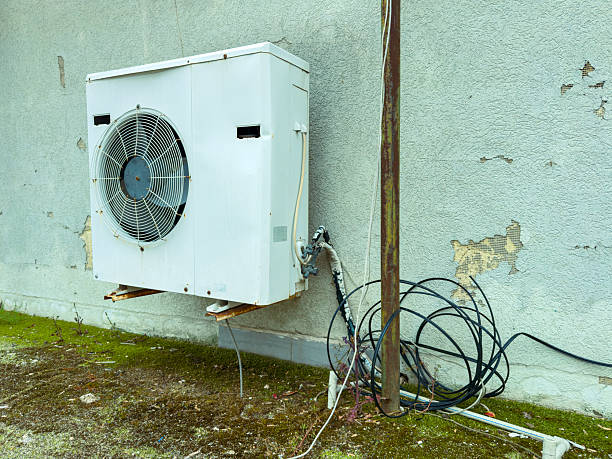
Florida homeowners depend heavily on air conditioning because heat and humidity can place major demands on cooling systems for much of the year. When an AC unit starts breaking down, the choice between repair and replacement can affect comfort, energy costs, and long-term spending. Many homeowners turn to Lickety Split when they need help understanding whether an older system still has useful life left. A careful decision should consider the system’s age, repair history, efficiency, comfort level, and overall condition before money is spent.
Consider the Age of the AC System
The age of an air conditioner is one of the first factors to review when deciding between repair and replacement. Many systems can provide reliable cooling for years when they receive proper maintenance, but older equipment often needs more attention as parts wear down. In Florida, long cooling seasons can make systems work harder than they would in milder climates. As a result, an aging unit may show signs of wear sooner through weak cooling, strange noises, or repeated service needs.
A newer system with a minor problem may be worth repairing because the rest of the equipment may still be in strong condition. However, putting a large amount of money into a much older unit can be harder to justify. Homeowners should compare the cost of the current repair with the likely future costs of keeping the system running. If several major parts are worn, replacing the unit may provide better value than continuing to fix one problem at a time.
Review How Often Repairs Are Needed
One repair does not always mean an air conditioner should be replaced. Parts such as capacitors, contactors, drain components, or thermostats can fail while the overall system remains dependable. However, frequent breakdowns can signal that several parts are reaching the end of their useful life. If a homeowner has called for service several times during recent cooling seasons, those repair bills can begin to add up quickly and make continued repairs less attractive.
The type of repair also matters. A small electrical fix is very different from a failing compressor, leaking coil, or major refrigerant problem. Large repairs can be costly, especially on older systems that may soon develop other issues. Homeowners should look at the full repair history rather than focusing only on the latest failure. A pattern of recurring problems may show that replacement offers a more stable and predictable solution for future cooling needs.
Compare Repair Costs With Replacement Value
Cost is often the biggest concern when an AC system fails. A repair may appear cheaper at first, but the better question is whether that repair will provide enough additional service life to make the expense worthwhile. If a major repair costs a large share of the price of a new system, homeowners should consider whether they are investing in equipment that could still fail again. Short-term savings may become long-term expenses if more repairs follow.
Replacement has a higher upfront price, yet it can reduce uncertainty when an aging unit has serious problems. A new system also comes with newer components and may include warranty protection that helps limit certain repair costs. Florida homeowners should compare the immediate expense, expected energy use, future repair risks, and estimated remaining life of the current equipment. Looking at total value often leads to a better decision than choosing the lowest price in the moment.
Think About Energy Efficiency
Older air conditioners may use more electricity than newer equipment, especially if the system has lost efficiency because of worn parts, dirty coils, airflow problems, or outdated technology. Since Florida homeowners may run their AC systems for long periods, even small efficiency losses can affect monthly utility bills. When evaluating Florida cooling efficiency, homeowners should consider whether the current system still delivers strong cooling without running for unusually long cycles or causing a noticeable rise in energy use.
A repair can sometimes restore lost efficiency if the problem is limited to one part or a maintenance issue. However, repairs cannot always overcome the basic limits of an older design. A newer air conditioner may cool the home with less energy while also offering better humidity control. Over time, lower operating costs can help offset part of the replacement expense. Homeowners should compare expected savings with the cost of installation instead of assuming every new unit will automatically create large savings.
Pay Attention to Comfort and Humidity
Cooling is not only about reaching the thermostat setting. A healthy air conditioning system should also help manage indoor humidity and keep temperatures consistent from room to room. If some areas of the home stay warm while others become too cold, the system may have airflow, capacity, duct, or equipment problems. High indoor humidity can also make the home feel uncomfortable even when the temperature appears low enough.
A repair may solve comfort problems when the cause is a failed part, blocked airflow, or another correctable issue. However, ongoing comfort problems in an older system may point to deeper limitations. The unit may no longer perform well enough for the home, or its capacity may not match current needs. Replacement gives homeowners a chance to review equipment size, efficiency, airflow, and humidity control so the new system can deliver more even and dependable comfort.
Factor in Florida’s Climate and Operating Demands
Florida air conditioners face long periods of heat, high humidity, heavy rain, and, in many areas, exposure to salty coastal air. These conditions can increase wear on outdoor components and make preventive care especially important. A system that would last longer in a cooler climate may experience more stress in Florida because it runs more often. This heavy workload should be part of the repair versus replacement decision, especially when a unit already shows signs of corrosion or repeated mechanical strain.
The local environment can also affect which replacement system makes sense. Coastal homeowners may benefit from equipment designed with added corrosion resistance, while homes in very humid areas may place greater value on moisture control. Proper installation matters just as much as equipment selection. Even a high-efficiency system can struggle if it is poorly sized, incorrectly charged, or connected to weak ductwork. Homeowners should consider the entire cooling setup rather than focusing only on the outdoor unit.
Make a Long-Term Decision for Your Home
The best choice depends on more than one repair estimate. Homeowners should look at system age, recent repair costs, energy bills, indoor comfort, maintenance history, and the condition of major parts. A newer unit with a simple problem may deserve repair, while an older system with frequent failures may be better replaced. Asking for a detailed inspection can help reveal whether the current problem is isolated or part of a larger pattern that is likely to continue.
Before making a final decision, homeowners should think about how long they plan to stay in the home and what level of reliability they expect. A replacement can provide greater peace of mind when an aging unit has become unpredictable, while a practical repair may make sense when the system still has strong overall condition. Careful attention to home cooling reliability can help Florida homeowners choose the option that offers better comfort, fewer surprises, and stronger long-term value.
