The Health Benefits of Maintaining the Right Humidity Level at Home
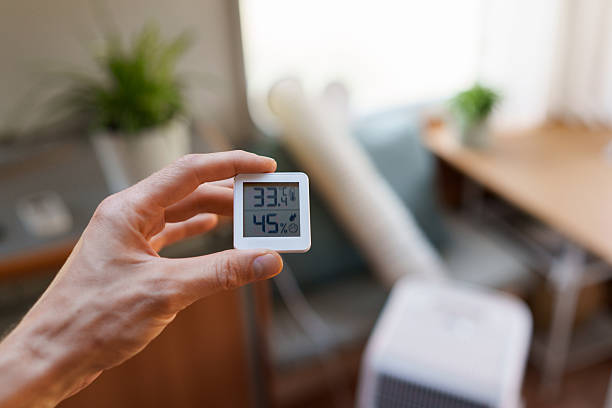
The moisture level inside a home can affect comfort, breathing, sleep, skin, and the overall feeling of the indoor environment. When air becomes too dry or too damp, people may notice irritation, stuffiness, or changes in how warm or cool a room feels. Homeowners who learn from resources such as Lickety Split can better understand how humidity connects with indoor comfort and air quality. Keeping moisture within a balanced range can support daily wellness while also helping the home remain cleaner and more comfortable throughout the year.
Supporting Comfortable Breathing
Balanced humidity can make breathing feel easier because the nose, throat, and airways function best when they are not exposed to extremely dry or overly damp conditions. Dry air may cause nasal passages to lose moisture, which can lead to irritation, scratchiness, or a feeling of congestion. When indoor humidity remains at a more suitable level, the respiratory system can maintain moisture more naturally, which may improve everyday comfort for many people.
High humidity can create other problems because damp air may feel heavy and uncomfortable, especially in warm weather. Moist conditions can also support the growth of mold and dust mites, both of which may affect sensitive individuals. Maintaining a moderate humidity level can help reduce these concerns while supporting cleaner indoor conditions. Combined with proper ventilation and air filtration, humidity control can become an important part of a healthier home environment.
Helping Reduce Dry Skin and Irritation
Skin often reacts quickly when indoor air becomes too dry. During colder months, heating systems can lower indoor moisture and leave skin feeling rough, tight, or itchy. Lips may become chapped, and some people may notice more irritation around the hands or face. Balanced humidity helps reduce excessive moisture loss from the skin, helping it stay comfortable without relying only on lotions or other temporary solutions.
Dry indoor spaces may also make the eyes uncomfortable. People who spend long hours reading, working on computers, or wearing contact lenses may notice more dryness when humidity levels stay too low. Maintaining reasonable indoor moisture can support a more comfortable environment for the eyes and skin. While humidity control is not a medical treatment, it can reduce environmental dryness that contributes to everyday discomfort at home.
Improving Sleep Comfort
A comfortable bedroom environment can play an important role in sleep quality, and humidity is one part of that environment. Air that is too dry may irritate the throat or nose during the night, while very humid air can make the room feel warmer and more difficult to relax in. Balanced moisture can help create a calmer sleeping space by reducing extremes that may cause dryness, stickiness, or unnecessary discomfort.
Humidity can also affect how the body responds to room temperature during sleep. When moisture is high, sweat may evaporate more slowly, causing people to feel overheated even if the thermostat is set to a normal level. When air is extremely dry, people may wake with a dry mouth or irritated throat. Maintaining moderate humidity supports a more stable indoor climate, which can help people stay comfortable longer during the night.
Creating Better Airway Conditions
The respiratory system relies on moisture to help protect and support the tissues lining the nose and throat. When indoor air becomes very dry, those tissues may feel irritated and less comfortable. Maintaining comfortable breathing conditions can support a more pleasant indoor experience, especially during seasons when heating systems operate for many hours. Proper humidity may also reduce the dry feeling that often appears after sleeping or spending long periods indoors.
However, more moisture is not always better. Excess humidity can create favorable conditions for mold, mildew, and other unwanted biological growth. These problems may appear around windows, bathrooms, basements, or poorly ventilated areas. By keeping humidity from rising too high, homeowners can reduce damp conditions while still avoiding extreme dryness. The best results usually come from combining moisture control with cleaning, filtration, fresh air exchange, and routine HVAC maintenance.
Reducing Conditions That Favor Allergens
Certain common indoor allergens become more difficult to manage when humidity remains high. Dust mites often thrive in warm and damp environments, while mold may grow on surfaces that stay moist for extended periods. Lowering excessive indoor humidity can make the home less supportive of these triggers. This does not remove allergens on its own, but it can strengthen other efforts such as regular vacuuming, washing bedding, cleaning vents, and using effective air filters.
Homeowners should also watch for hidden areas where moisture can collect. Bathrooms, laundry rooms, crawl spaces, basements, and areas near plumbing can become damp without being noticed right away. Exhaust fans, leak repairs, and proper drainage can help control unwanted moisture before it becomes a larger issue. Monitoring humidity levels gives homeowners another useful way to spot changes and act when indoor conditions move outside a comfortable range.
Supporting Better Temperature Comfort
Humidity changes how warm or cool a room feels, even when the thermostat stays at the same setting. In summer, high humidity can make indoor air feel hotter because moisture slows sweat evaporation from the skin. People may respond by lowering the air conditioner, which can increase energy use. Reducing excess humidity can improve comfort and help the cooling system maintain a more pleasant indoor environment without relying only on lower temperatures.
During winter, very dry air may make heated rooms feel less comfortable because moisture evaporates more quickly from the skin. Adding a controlled amount of humidity can make indoor air feel less harsh and may reduce the urge to keep increasing the thermostat. Careful moisture management can therefore support both comfort and efficient heating or cooling. The goal is not to create humid air, but to avoid extreme conditions that make temperature control harder.
Building a Healthier Indoor Environment
Managing humidity works best when it becomes part of a broader home comfort routine. Homeowners can use an indoor humidity monitor to track changes, especially during periods of extreme heat or cold. They can also improve ventilation, maintain HVAC equipment, replace filters, and address water leaks quickly. These steps work together because air quality depends on many factors, including moisture, airflow, cleanliness, filtration, and the building's condition.
A balanced home environment can support comfort from morning through night while reducing problems linked with dry or damp air. Consistent moisture levels may help people experience fewer dry-air irritations while also making the home less favorable to mold and dust mites. By focusing on balanced indoor wellness, homeowners can create a space that feels fresher, more stable, and easier to enjoy across changing seasons while also supporting healthier daily living.
