When Should You Replace or Repair Old Electrical Wiring?
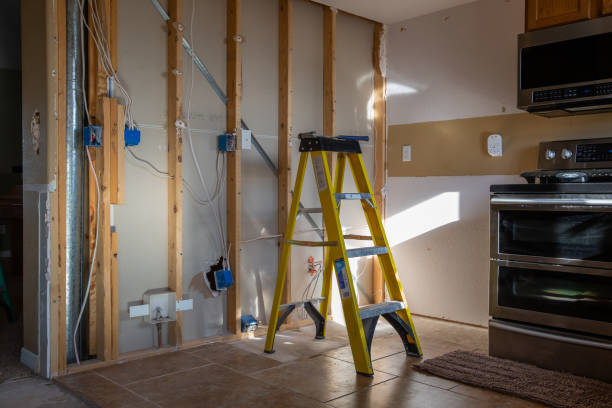
Old electrical wiring can keep working for years, but age alone doesn't tell you whether you need a full replacement. The condition of the wires, the type of system, past repairs, and your home's current power demands all matter when deciding what to do. Homeowners who notice repeated electrical problems should have the system checked before small faults become serious hazards. Resources from Lickety Split can help homeowners better understand why timely electrical maintenance matters. In many cases, a targeted repair may solve the problem, while severely damaged or outdated wiring may require a larger replacement project.
Consider the Age of Your Wiring
The age of your electrical system is one of the first factors to consider when deciding between repair and replacement. Older homes may contain wiring installed decades ago that wasn't designed for today's appliances, computers, entertainment systems, and high-powered equipment. Wiring can also become brittle or damaged as insulation ages. Even if your lights and outlets still work, an aging system may have hidden weaknesses, which is why professional inspection matters.
Age does not automatically mean that every wire must be removed and replaced. Some older systems remain safe with proper maintenance and upgrades over time. An electrician can examine the wire type, insulation condition, electrical panel, grounding, and circuit capacity before recommending work. If only one section shows damage, a focused repair may be enough. However, widespread deterioration across several circuits may make replacement safer and more practical than performing repeated repairs.
Watch for Frequent Electrical Problems
Repeated electrical trouble strongly suggests your wiring needs closer attention. Circuit breakers that trip often, lights that flicker, outlets that stop working, and switches that feel unusually warm can all point to problems inside the electrical system. These symptoms may result from loose connections, overloaded circuits, worn outlets, or damaged wiring. If the same issues continue returning after small repairs, the larger wiring system may no longer be reliable.
A single faulty outlet can often be repaired without replacing an entire circuit. However, several problem areas throughout the home may indicate that the wiring itself is deteriorating. Homeowners should look for patterns rather than treating each issue as unrelated. An electrician can trace circuits and test electrical loads to determine whether the problems come from individual components or a broader wiring failure. This information helps avoid unnecessary replacement while still addressing real safety concerns.
Check for Outdated Wiring Materials
Some older homes contain wiring systems that require careful evaluation because they were installed under earlier electrical standards. Certain wiring types may have limited capacity, aging insulation, or connection methods that are less suitable for modern power demands. Older electrical systems may also lack proper grounding in areas where today's equipment expects it. These conditions do not always mean immediate danger, but they do make a professional assessment especially important before adding appliances or renovating the home.
An electrician can identify the type of wiring installed and explain whether repairs, partial upgrades, or full replacement are appropriate. If the wiring is still in good condition, upgrades may focus on grounding, outlets, breakers, or specific circuits. When insulation is crumbling, connections are overheating, or multiple areas fail inspection, replacement becomes more likely. Updating unsafe materials can also make future electrical work easier because the home will have a more dependable foundation for additional circuits and modern devices.
Look for Heat, Odors, and Discoloration
Heat around outlets, burning smells, dark marks, or melted plastic can signal an electrical problem that needs quick attention. These symptoms can develop when connections loosen or wires carry more current than they were designed to handle. They may also point to damaged insulation hidden inside walls. Scheduling an older wiring assessment can help determine whether the heat damage is limited to one connection or part of a larger wiring problem that requires replacement.
When damage is limited to a specific outlet, switch, or short section of wire, repair may be the best solution. However, multiple burned connections or heat-damaged circuits suggest a more serious condition. Replacing isolated components without correcting the underlying wiring problem can allow the same issue to return. An electrician can inspect affected areas, test circuit loads, and check insulation condition. If overheating appears throughout the system, replacing old wiring may provide a safer long-term solution.
Think About Your Home's Power Demands
Homes use far more electrical equipment today than they did several decades ago. Air conditioners, large televisions, computers, kitchen appliances, chargers, home offices, and smart devices can place heavy demands on older circuits. If your wiring was designed for a much smaller electrical load, you may experience frequent breaker trips, dimming lights, or a lack of available outlets. These signs may indicate that the system needs more than a simple repair.
Adding a few new circuits can sometimes solve capacity problems without requiring complete rewiring. An electrician may recommend dedicated circuits for major appliances, upgraded outlets, or panel improvements. If the existing wiring cannot safely support the added load, you may need more extensive replacement. The goal should be to create enough capacity for normal household use without relying on extension cords, overloaded power strips, or constant breaker resets that can strain the system.
Repair When Damage Is Limited
Repair is often appropriate when electrical damage affects only a small, clearly identified part of the system. A loose connection, damaged outlet, faulty switch, or short section of deteriorated wire can usually be corrected without opening walls throughout the home. Targeted repairs can restore safe operation while keeping costs and disruption lower. This option makes the most sense when an inspection finds the rest of the wiring in good condition.
Professional testing is important before choosing a limited repair because visible damage may not show the full extent of the problem. For example, a loose connection at that location could cause a burned outlet, or it could result from excessive heat elsewhere on the circuit. An electrician can test resistance, grounding, voltage, and circuit loads to confirm the cause. Once the problem is isolated, the damaged parts can be repaired or replaced without performing unnecessary work on healthy wiring.
Replace Wiring When Problems Are Widespread
Full or partial rewiring becomes more reasonable when damage appears across several circuits or when the existing system cannot safely meet modern electrical needs. Common reasons include badly deteriorated insulation, repeated overheating, widespread ungrounded wiring, frequent electrical faults, and unsafe modifications made during earlier repairs. Replacement may also be recommended during major renovations because open walls make access easier and allow you to update the electrical system at the same time.
Base the best decision on inspection results rather than age or appearance alone. Repairing healthy sections can save money, while replacing deteriorated wiring badly can reduce repeated failures and improve long-term safety. A licensed electrician can explain which circuits can remain and which should be replaced. Investing in residential rewiring services when widespread problems are confirmed can improve electrical reliability, support modern appliances, and reduce the risk of future overheating, shocks, or electrical fires.