Common Electrical Warning Signs You Should Never Ignore
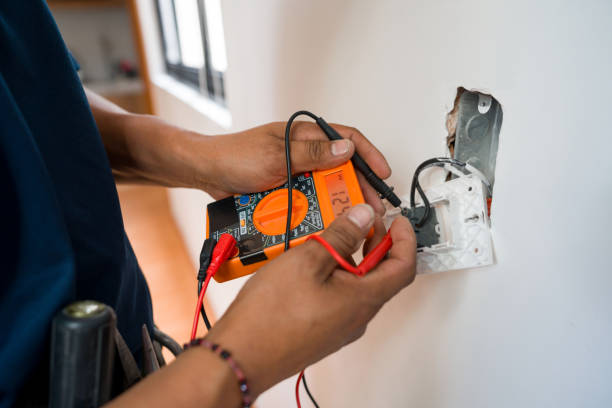
Electrical problems can start small but become dangerous if they are ignored. A flickering light, warm outlet, or tripped breaker may be a warning that something is wrong inside your electrical system. Homeowners often turn to professionals such as Lickety Split when electrical issues go beyond simple checks. Knowing when to call an electrician can help protect your home, family, and valuable equipment.
Frequent Circuit Breaker Trips
A circuit breaker is designed to shut off power when it detects an unsafe electrical load. An occasional trip may happen when too many devices are used at once. However, breakers that trip often can point to overloaded circuits, faulty wiring, damaged appliances, or other electrical problems that need professional attention before they become more serious.
Resetting the same breaker again and again is not a good long-term solution. If the breaker continues to trip, an electrician can inspect the circuit and identify the cause. The problem may involve wiring hidden behind walls, so professional testing is often needed. Quick repairs can reduce the risk of overheating, electrical damage, or fire.
Flickering or Dimming Lights
Lights may flicker for simple reasons, such as a loose bulb, but repeated flickering can signal a deeper electrical issue. If several lights dim when an appliance starts, your electrical system may be struggling with the power demand. Loose wiring or poor connections can also cause unstable lighting throughout different parts of your home.
An electrician can check connections, circuits, and electrical panels to find the source of the problem. Ignoring flickering lights can allow loose electrical parts to continue heating over time. Professional inspection is especially important when flickering happens in several rooms or becomes more frequent without any clear change in your normal electrical use.
Burning Smells or Unusual Heat
A burning smell near an outlet, switch, appliance, or electrical panel should never be ignored. Electrical wires and connections can overheat when they become damaged or loose. Heat may melt plastic parts or insulation, creating a serious safety risk. In some cases, you may also notice dark marks around an outlet or switch.
Turn off power to the affected area if it is safe to do so, and avoid using the outlet or device. Contact a qualified electrician as soon as possible. Electrical burning odors may indicate hidden damage that cannot be seen from the surface. Fast professional attention can prevent further damage and lower the risk of an electrical fire.
Buzzing Sounds From Electrical Fixtures
Electrical systems should usually operate quietly. Buzzing, crackling, or humming sounds coming from outlets, switches, light fixtures, or electrical panels can signal a loose connection or damaged component. These sounds may become more noticeable when a device is turned on or when electricity is flowing through a problem area.
Do not remove outlet covers or open an electrical panel unless you are trained to work with electricity. Instead, have an electrician inspect the source of the sound. Loose connections may create heat or sparks inside walls. A professional can safely test the system and replace damaged parts before the issue becomes more dangerous.
Outlets That Stop Working
A dead outlet may be caused by a tripped breaker or a GFCI outlet that needs to be reset. However, if resetting these devices does not restore power, the outlet may have damaged wiring or a loose connection. Several dead outlets in the same area can also point to a larger circuit problem.
An electrician can test the affected outlets and determine why power is not reaching them. Replacing an outlet without finding the real cause may leave the main problem unresolved. Professional testing helps make sure wiring, connections, and circuit protection are working correctly, which keeps the electrical system safer and more reliable over time.
Sparks and Electrical Shocks
A tiny spark can sometimes occur when a plug is connected, but large or repeated sparks should be taken seriously. Sparks may indicate loose wiring, damaged outlets, moisture, or electrical faults. You should also seek professional help if you feel even a mild shock when touching an appliance, switch, or other electrical device.
Electrical shocks can signal grounding problems or damaged wiring that allows current to travel where it should not. Stop using the affected device or outlet until it has been checked. An electrician can test grounding, wiring, and connections to locate the problem. Proper repairs can protect people from injury and prevent additional electrical damage.
When Electrical Upgrades Are Needed
Older homes may have electrical systems that were not designed for modern appliances, computers, entertainment systems, and charging devices. Outdated panels, limited outlets, old wiring, and heavy use of extension cords can all signal that an upgrade may be needed. Renovations and new major appliances may also place added demand on existing circuits.
A licensed electrician can evaluate your home's current electrical capacity and recommend safe upgrades when needed. Professional installation is important for new circuits, panels, outlets, and major electrical equipment. By recognizing warning signs early and calling an electrician at the right time, homeowners can improve safety, reduce repair risks, and keep electrical systems working reliably.
