Signs Your Home Needs a Whole-House Water Filtration System
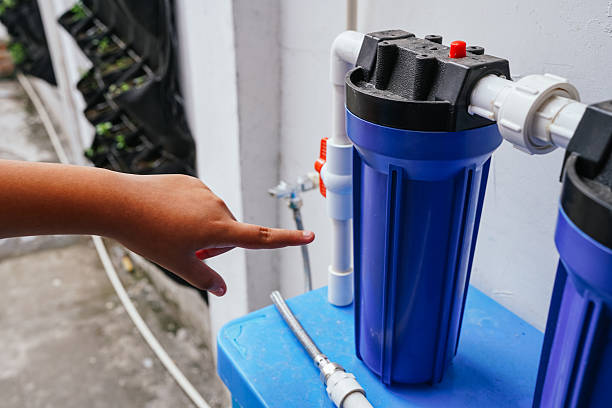
Clean water supports nearly every routine inside a home, from cooking breakfast to washing clothes at the end of the day. Still, many homeowners deal with chlorine, sediment, strange odors, or an unpleasant taste from their water supply. For people looking for a simple whole-home solution, Lickety Split can naturally be part of the conversation about improving everyday water quality. Installing a whole-house water filter can help create cleaner, fresher water at multiple fixtures while making daily life more comfortable and convenient.
Cleaner Water at the Point of Entry
A whole-house filter is usually installed where the main water line enters the home. This location allows the system to treat water before it reaches individual faucets, showers, appliances, and other fixtures. As a result, homeowners can improve water quality throughout the property instead of focusing on only one sink.
This central setup also creates a more consistent experience from room to room. Depending on the filter, the system may reduce sediment, chlorine, odors, and other unwanted substances. Because treated water reaches many parts of the home, families can benefit while cooking, bathing, cleaning, and doing laundry without relying on separate filters.
Making Tap Water More Enjoyable
Tap water can sometimes carry a noticeable taste that discourages people from drinking it. Chlorine is a common reason, though other substances can also affect flavor. A whole-house filtration system that targets these concerns can make tap water taste fresher and more pleasant for regular use.
Better water can also improve drinks and foods made at home. Coffee, tea, soups, sauces, and other recipes often contain a large amount of water. When that water has fewer unwanted tastes, the flavors of other ingredients may come through more clearly. This small improvement can make everyday meals and beverages more enjoyable.
Reducing Sediment Before It Spreads
Sediment can enter household water through public supply lines, wells, or aging pipes. These small particles may collect in faucet screens, showerheads, or plumbing fixtures over time. A whole-house sediment filter can catch much of this material before it moves farther into the home.
By reducing sediment early, homeowners may notice less visible debris around certain fixtures. This can also make routine cleaning easier and help prevent small openings from becoming blocked as quickly. Filtration will not solve every plumbing issue, but it can reduce the amount of unwanted material traveling through the system.
Creating a Fresher Bathing Experience
The quality of water used for bathing matters because showers and baths are part of most daily routines. Chlorine and certain other substances can create strong smells or affect how the water feels. A whole-house filter can reduce some of these materials before they reach bathroom faucets and showerheads.
This may make showers feel fresher and more comfortable. Filtered water can also change how soaps and shampoos rinse, depending on local water conditions. However, homeowners should remember that filtration and softening serve different purposes. If hard water is also present, another treatment system may be needed to address mineral buildup.
Supporting Household Appliances and Fixtures
Water flows through many appliances, including washing machines, dishwashers, and water heaters. Sediment and other unwanted particles may enter these systems along with the water supply. A properly selected whole-house filter can reduce some of these materials before they reach appliances and plumbing components.
This added filtration may help keep certain parts cleaner over time. However, homeowners should still follow normal maintenance schedules for appliances and plumbing. A filter does not remove every substance or prevent every repair. Its main role is to improve incoming water quality and reduce specific problems identified in the household supply.
Using Less Bottled Water at Home
Many households purchase bottled water because they do not enjoy the taste or smell of their tap water. This can become an ongoing expense, especially for larger families. If whole-house filtration improves tap water quality, homeowners may feel more comfortable using water directly from their faucets.
Depending less on bottled water can also make daily routines easier. Families may have fewer heavy cases to carry, fewer bottles to store, and less plastic waste to manage. Although replacement filters and maintenance still cost money, a central system can provide convenient access to treated water throughout the home.
Understanding What Your Home Needs
The best whole-house filter depends on the specific water problems inside the property. Some systems are designed mainly for sediment, while others focus on chlorine, odors, or certain contaminants. Homeowners should avoid choosing a system without first understanding what they need to remove.
A water test can provide useful information before making a decision. Homeowners should also consider water pressure, household size, flow rate, filter capacity, and replacement costs. Choosing the right system from the start can improve performance and help prevent problems such as weak water flow or unnecessary maintenance.
Making Water Quality Part of Home Care
Whole-house filtration can become a practical part of regular home maintenance. Instead of treating water quality as a problem at one faucet, homeowners can manage it at the main supply. This approach can support better-tasting water, fresher showers, cleaner fixtures, and a more consistent experience across the property.
The greatest benefits come from selecting the correct water filter and maintaining it properly. Filters should be changed on schedule, and the system should be checked when performance changes. With the right setup and routine care, whole-house filtration can provide long-term value and make clean, dependable water a normal part of everyday home life.
